
How Does Assisted Living Support Social Well-Being?
Assisted living communities offer daily opportunities that naturally encourage stronger social bonds among residents. These environments are intentionally designed with shared spaces, recreational rooms, and group dining, which help make meeting new people easier for those who may otherwise feel isolated living alone. In West Pittston, PA, where many homes are spaced along quiet, residential streets, moving into an assisted living setting often brings a welcome increase in daily interaction.
Routine events—like morning coffee hours, discussion groups, and birthday celebrations—help residents get to know their neighbors in a relaxed environment. Many facilities also organize clubs or group activities based on common interests. This structure makes it easier for even reserved individuals to participate and find a sense of belonging.
What Kind of Social Activities Are Typical?
Most assisted living communities maintain a regular calendar of events, often shaped with input from residents themselves. Typical experiences may include:
- Card games, bingo, or trivia nights in shared lounges
- Arts and crafts classes, seasonal decorating, or gardening projects
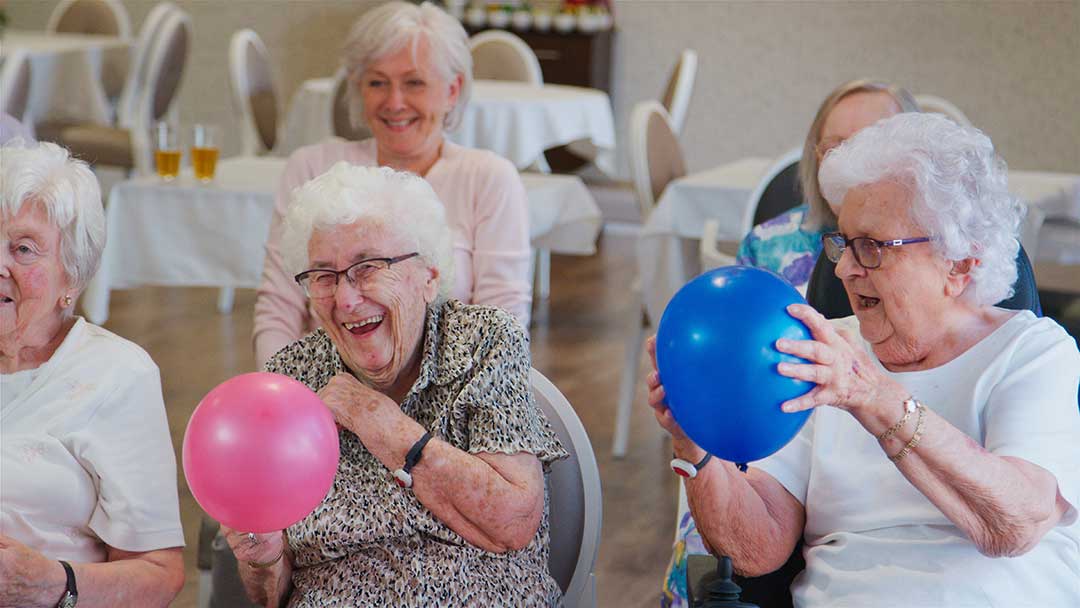
- Exercise sessions suitable for different mobility levels, such as chair yoga or walking groups
- Group outings, like visits to local parks or scenic drives, when weather and resources allow
These activities are usually optional, which means residents can decide when and how often to take part. Importantly, participation tends to increase over time as connections grow and routines become familiar.
Why Is Social Connection Critical for Older Adults?
Even those who enjoy solitude can benefit from regular, casual interaction. Research consistently finds that social engagement protects against feelings of loneliness, depression, and even cognitive decline. In a region like West Pittston with its distinct seasons, isolation can become more pronounced in winter, making it vital for older adults to have reliable ways to see friends and participate in shared events under one roof.
A strong social network can also:
- Improve mood and daily motivation
- Stimulate memory and language through conversation
- Provide practical support, such as reminders or help with small tasks
- Increase feelings of safety and confidence in daily life
Can Residents Remain Connected to the Larger Community?
Moving into assisted living does not mean losing touch with the broader area. Many facilities arrange trips to local fairs, senior centers, or cultural events. Family and friends are welcome visitors and are often encouraged to join special programs or shared meals. Technology access, such as community computers or Wi-Fi, also makes it easier for residents to keep in touch with distant loved ones.
Residents are encouraged to maintain outside connections if they wish. For those who choose to attend religious services, club meetings, or other activities outside the location, transportation options and schedules often help enable this.
How Are New Residents Helped to Settle In?
Transitioning to assisted living is a significant change and can bring understandable worries about “fitting in.” Staff typically provide support through:
- Welcome programs, often pairing new residents with volunteers or long-term community members
- Personalized activity recommendations based on individual backgrounds or interests
- Flexible meal seating arrangements that help break the ice naturally
This approach eases the social learning curve for new arrivals, reducing anxiety and promoting a sense of comfort sooner.
What If a Resident Prefers More Private Time?
Every resident’s social needs are unique. Assisted living communities in the area strive to balance opportunities for engagement with respect for individual routines. Private living quarters allow for quiet solitude when preferred. Community staff are trained to encourage participation without pressuring those who may feel overwhelmed by frequent activity.
Misconceptions sometimes arise that moving into an assisted living setting requires giving up privacy or personal autonomy. In reality, residents typically decide how much—or how little—to take part in group events.
How Do Shared Meals Encourage Connection?
Eating together is a tradition that brings people closer, and assisted living dining rooms are designed to make this easy. Residents usually have the option to choose seating arrangements, which helps them connect with neighbors and enjoy casual conversation. The communal experience of dining—especially around local favorites or seasonal dishes—often sparks new friendships and helps reduce feelings of isolation.
For those who may have dietary needs or specific mealtime routines, accommodations are common, ensuring that everyone feels included.
How Does the Local Environment Shape Social Life?
In West Pittston’s close-knit community, familiar surroundings and shared traditions continue inside assisted living settings. Seasonal celebrations—such as fall pumpkin carving, winter holiday decorating, or summer garden parties—mirror what residents may have enjoyed at home, just with more company. Local views and outdoor spaces, like enclosed courtyards or porches, give residents new ways to appreciate the area’s seasons with their peers.
Resources and approaches may be smaller-scale than in large urban settings, but this often leads to a more personalized and comfortable environment, where individual stories and hometown memories are shared and valued.
