

What Is Daily Life Like in an Assisted Living Community?
Residents in assisted living communities experience a blend of independence and support. Everyday life is structured around personal routines, social interaction, meals, and health management, while providing freedom to participate as desired. These environments are designed to reduce burdens such as household maintenance, while offering reassurance that help is available when needed.
How Do Mornings Start for Residents?
Most residents begin their day with assistance tailored to their personal needs. Some might receive help choosing clothes or bathing, while others wake up independently and prepare for breakfast at their own pace. For residents preferring a quiet start, relaxing in their own room is respected. Those who enjoy socializing join neighbors for breakfast in the shared dining area, where classic morning favorites, such as eggs and oatmeal, are commonly served—fitting with the tastes and seasonal preferences found in local households.
What Activities Are Available Throughout the Day?
Assisted living communities offer various daily activities to engage body and mind. Participation is always optional, but opportunities are structured for both group and solo enjoyment. Typical choices may include:
- Group card games and bingo
- Gentle exercise or chair yoga classes suitable for area seniors
- Art and craft sessions
- Movies, music, or storytelling in common spaces
The city’s local climate sometimes shapes these schedules—on sunny days, residents might enjoy outdoor walks, patio gardening, or simply relaxing outside. During colder months, indoor activities become more popular, such as book clubs or seasonal craft projects.
How Is Personal Independence Balanced With Support?
Personal routines remain central. Residents decide when to wake, how to arrange their living space, and which activities to attend. Help with bathing, dressing, or medication reminders is provided with privacy and dignity. If someone chooses to spend time alone in their room, that preference is respected. The aim is to preserve autonomy while offering support as needed.
What Is Mealtime Like?
Meals are served in lively communal dining areas for residents wishing to socialize, though private dining or in-room meals are an option for those seeking a quieter experience. Menus often reflect local tastes—hearted soups in winter and lighter fare in warmer seasons. Dietary needs, including those related to common health conditions in area seniors, are accommodated by kitchen staff who coordinate with each resident’s health plan.
How Do Residents Stay Connected With Family and Friends?
Staying in touch with loved ones is encouraged. Phone calls, video chats, and regular visitors are a normal part of life. Community staff help coordinate visits, especially around holidays or during times of poor weather. Some communities host open house events or seasonal gatherings where relatives can join group activities or meals.
What If Residents Need Medical or Personal Care During the Day?
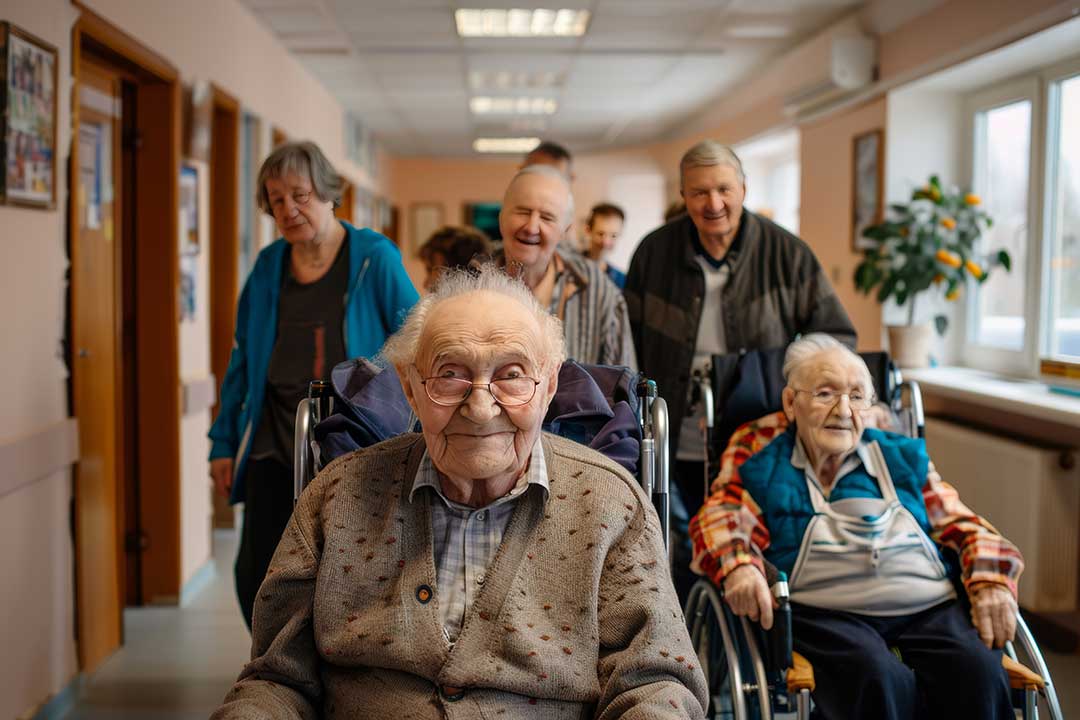
Medical care and personal support are available on-site. Staff assist with medication management, help with mobility, and coordinate appointments with local healthcare providers. Regular wellness checks are discreetly carried out, balancing health needs with privacy and resident choice. Emergency support is available around the clock, addressing residents’ peace of mind especially during severe inclement weather scenarios common in the region.
How Is Transportation Managed for Errands or Outings?
Many residents value maintaining routines like attending worship services or going shopping. Communities typically arrange group transportation to destinations such as grocery stores, parks, or seasonal events. Individual transportation can be provided for medical or dental appointments nearby.
What Are Common Misconceptions About Daily Life in Assisted Living?
Some people believe assisted living is rigid or lacks privacy. In reality, each resident’s schedule is customized. Participation in group activities is voluntary, and private time is always honored. Residents are free to decorate apartments, host guests, or pursue hobbies as they wish.
Another misconception is that most daily decisions are handled by staff. Instead, residents make choices about daily timing, room decor, and social calendar, with as much control as possible preserved.
How Do Residents Handle Seasonal Changes?
Seasonal rhythms affect daily living. In winter, indoor activities are more prominent, and communities ensure walkways and entrances are safe. During warmer months, patio gatherings, flower planting, and walks along accessible paths become popular. Residents are encouraged to dress comfortably for the weather and engage in both seasonally themed crafts and menus.
How Are Community Spaces Used?
Spaces are designed to be flexible and welcoming. Common areas may include sitting rooms, activity spaces, dining halls, and courtyards. Residents gather for shared interests or quiet conversation. Safe outdoor areas allow for fresh air and connection with nature, while indoors, reading nooks and communal lounges promote socializing and relaxation.
