

What Support Does Assisted Living Provide for Seniors?
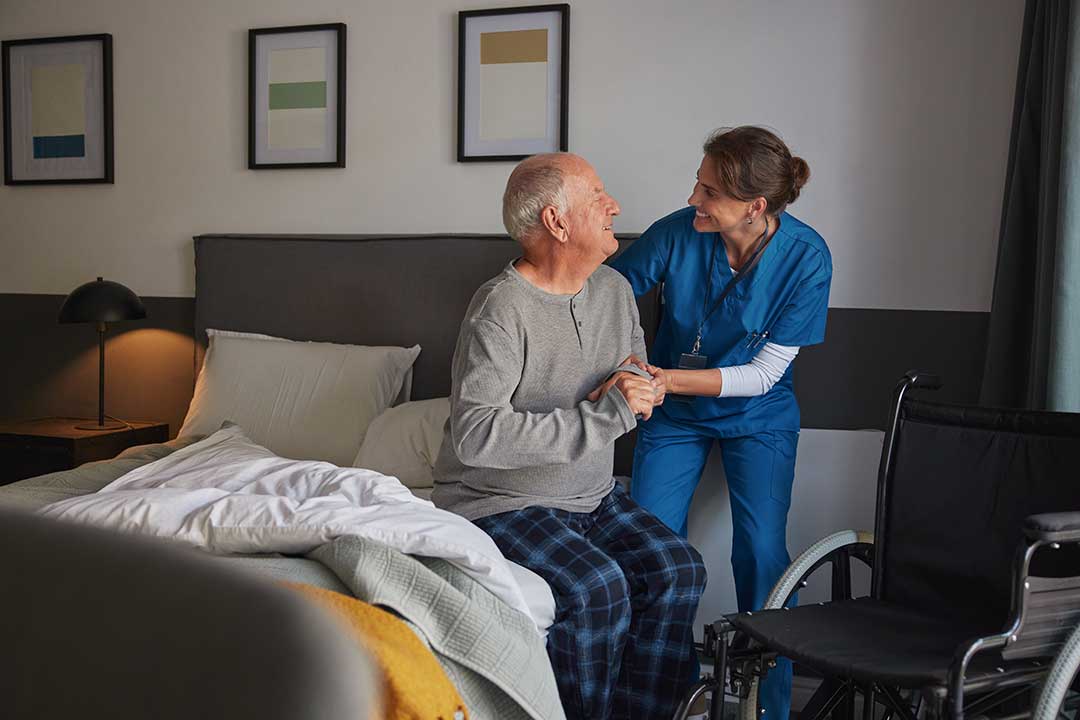
Assisted living offers seniors daily support with tasks they may struggle with at home, such as bathing, dressing, and managing medications. In West Pittston, many older adults prefer to age in place, but as health needs increase, assisted living communities provide a balanced option between independent living and skilled nursing care. These residences typically offer personal care support, nutritious meals, and housekeeping services, aiming to reduce stress for both seniors and their families.
Staff in most assisted living settings are trained to recognize when a resident needs more help, adjusting support as needed. This flexibility is particularly valuable for local households with family caregivers juggling jobs, distance, or their own health conditions. Assisted living can provide peace of mind that a loved one is supported both day and night.
How Does Assisted Living Promote Social Connection?
Assisted living communities are designed to encourage social interaction. Loneliness can be a challenge for older adults in the region, especially during winter when icy sidewalks and snow make travel tricky. Most local facilities offer a variety of group activities, from exercise classes to hobby groups and seasonal events.
By living in a community setting, seniors have regular opportunities to form friendships, reducing isolation that can affect health and mood. Even casual interactions in common areas—such as shared dining rooms or community gardens—provide connection. Compared to staying at home alone, residents can enjoy daily companionship and a more vibrant routine.
Is Assisted Living a Safer Environment for Seniors?
Senior safety is a central advantage of assisted living. The design of most residences in and around the city takes mobility and accessibility into account, featuring grab bars, non-slip floors, and step-free entryways. During harsh weather, building maintenance and emergency readiness become particularly valuable—reducing risks from falls, power outages, or extreme cold.
In addition to physical adaptations, many facilities have staff on-site 24/7, which means prompt assistance in case of a fall or other emergency. Security features such as controlled entry points and regular wellness checks further support resident safety, providing reassurance for local families.
What Are the Health and Wellness Benefits?
Assisted living often includes help with managing medications—reducing the risk of missed doses or dangerous mix-ups. Residents receive nutritious meals tailored to their dietary needs, which is especially helpful for those facing common regional health concerns like diabetes or heart issues.
Many communities also offer onsite wellness programs, exercise classes, and transportation to medical appointments. For seniors who find local winter driving or parking challenging, this access can help prevent missed checkups and encourage a healthier lifestyle.
How Does Assisted Living Offer Relief for Caregivers?
Family members providing care at home may eventually find it difficult to balance their loved one’s needs with their own routines, work, and obligations. Assisted living can bring relief, allowing families to spend more quality time together—focusing on relationships rather than daily caregiving tasks.
This arrangement also reduces burnout for informal caregivers in the community, which can help maintain family harmony and support seniors’ emotional wellbeing.
How Are Costs Structured and What Should Families Know?
The costs of assisted living can vary, but they generally include housing, meals, utilities, and personal care in one monthly fee. For local residents accustomed to paying separate bills for heating, groceries, and household maintenance, this combined approach can make financial planning easier.
It’s a common misconception that health insurance or Medicare typically covers assisted living; in reality, most costs are paid privately, though some public programs may offer limited assistance based on eligibility and care needs. Families in West Pittston should review their options carefully and consider potential changes in care needs over time.
What Should Seniors and Families Consider Before Moving?
Transitioning to assisted living is a significant decision. Many local families start by identifying daily challenges—such as trouble with stairs in older homes, difficulty keeping up with home maintenance, or concerns about being alone during storms or power failures.
Common questions to consider include:
- Are daily personal needs being safely met at home?
- Is there reliable help available when needed?
- Would regular meals, wellness monitoring, and social activities add value?
Touring local options, speaking with current residents, and discussing expectations as a family can help clarify if this type of support fits current and future needs.
Does Assisted Living Help Maintain Independence?
A major benefit of assisted living is the ability for residents to maintain as much independence as possible. The support provided is typically tailored, so seniors receive help where needed while continuing to manage other aspects of their lives. This can include setting their own schedules, decorating their apartment, or joining only the activities they choose.
For West Pittston area seniors who value autonomy but need a little extra support, assisted living can offer the best of both worlds—a supportive community with opportunities for personal choice and self-direction.
