
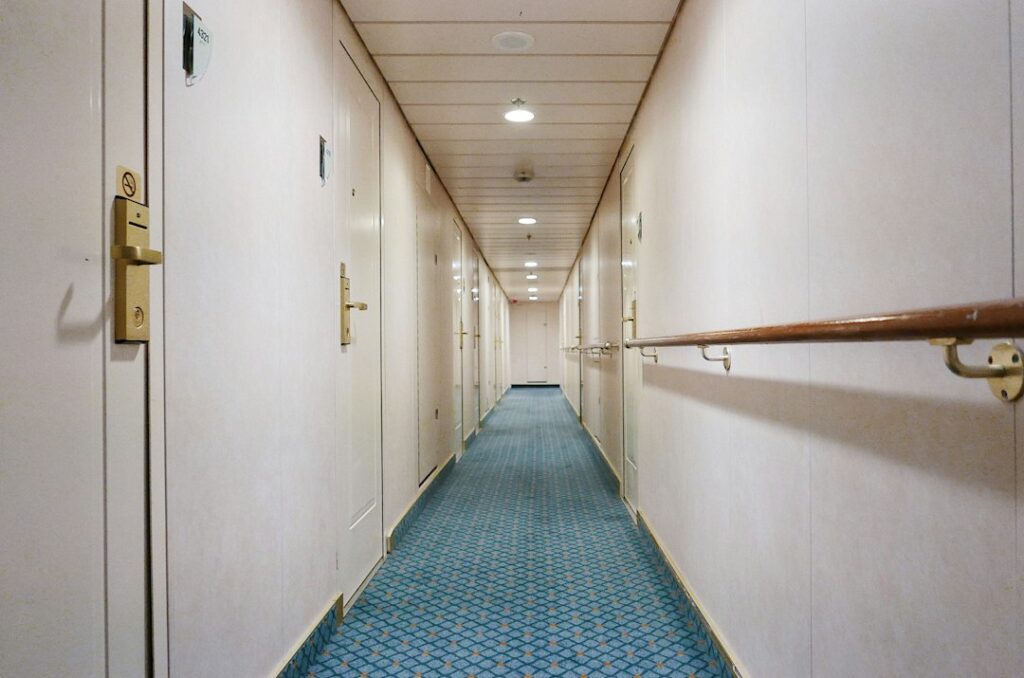
Assisted living safety is built into the daily environment, not limited to emergency equipment. In a well-planned community, building design, staff procedures, resident support, and regular maintenance work together to reduce falls, respond to health concerns, and help residents remain as independent as possible.
What safety features should an assisted living community have?
A safe community should make ordinary activities easier to complete without unnecessary hazards. Important features often include clear walkways, adequate lighting, secure entrances, emergency communication systems, accessible bathrooms, and staff available to respond when help is needed.
Safety features should be visible throughout the property, including:
- Handrails in hallways and stairwells
- Non-slip flooring in common areas and bathrooms
- Bright lighting near entrances, elevators, bedrooms, and outdoor paths
- Doorways wide enough for walkers and wheelchairs
- Seating areas that allow residents to rest between activities
- Clearly marked exits and unobstructed evacuation routes
- Call systems or other methods for requesting assistance
- Smoke, fire, and carbon monoxide detection equipment
- Secure storage for medications and hazardous cleaning products
A safe setting should not feel restrictive. The goal is to remove preventable obstacles while allowing residents to move, socialize, and make everyday choices.
How are falls prevented?
Fall prevention usually combines environmental design with individualized support. Staff may review a resident’s walking ability, footwear, vision, medications, and use of mobility equipment to identify risks.
Common fall-prevention practices include:
- Grab bars near toilets and showers
- Walk-in showers or accessible bathing areas
- Shower seats and handheld showerheads
- Beds positioned at a safe height
- Night-lights between bedrooms and bathrooms
- Cords, rugs, and clutter kept out of walking paths
- Regular checks of walkers, wheelchairs, and other equipment
- Assistance with transfers when a resident cannot safely stand or sit alone
A frequent misconception is that every fall can be prevented by restricting movement. Excessive limitation can weaken strength and confidence. Safer communities generally encourage appropriate activity while providing supervision or assistance where it is needed.
Residents and families should also ask how falls are documented, what happens after a fall, and whether care plans are updated when a resident’s balance or mobility changes.
How do assisted living communities handle medical emergencies?
Emergency response begins with recognizing a problem quickly. Staff should know how to respond when a resident has chest pain, trouble breathing, a serious fall, sudden confusion, signs of a stroke, or another urgent change in condition.
Most communities have procedures for:
- Calling emergency responders
- Providing first aid within staff training
- Notifying the resident’s designated contact
- Sharing relevant medication and health information
- Documenting the event
- Arranging follow-up care after the immediate emergency
Residents and families should ask whether staff are present around the clock, how quickly help can reach a bedroom, and how emergency information is kept current. A community should also explain what happens if a resident needs a level of medical care that assisted living cannot provide.
What security measures protect residents?
Security features are intended to reduce unauthorized entry, wandering risks, and unsafe access to private areas. They should be balanced with residents’ dignity and freedom.
Potential safeguards include controlled entrances, visitor procedures, door alarms, outdoor boundary planning, and staff awareness of residents who may become disoriented. Some communities use additional monitoring for residents with memory-related conditions, but any system should be explained clearly to residents and families.
Security is not limited to the front door. It may also involve:
- Safe nighttime lighting
- Locked medication and supply areas
- Privacy protections for personal records
- Procedures for missing residents
- Screening and identification practices for visitors
- Regular checks of common areas and outdoor spaces

Families may want to ask how residents can receive visitors, whether doors lock automatically, and how the community responds if someone leaves unexpectedly.
How are fires, severe weather, and power outages handled?
Emergency planning should address more than fire drills. Communities need plans for severe winter weather, extended power interruptions, water problems, and other conditions that can affect transportation, heating, communication, or access to medical services.
In West Pittston, seasonal snow, ice, freezing temperatures, and storm-related interruptions can make emergency preparation especially relevant. Safe planning may include backup power for essential systems, cleared walkways, indoor temperature monitoring, emergency food and water supplies, and procedures for residents who need electricity-dependent medical equipment.
Questions worth asking include:
- How often are fire and evacuation drills held?
- Can residents who use wheelchairs or walkers evacuate safely?
- Is there backup power, and which systems does it support?
- How are residents kept warm during an outage?
- How are families informed during a prolonged emergency?
- What happens if roads are unsafe for visitors or transportation?
A drill should not be treated as proof that every plan is effective. The community should be able to explain how it accommodates residents with hearing, vision, memory, or mobility limitations.
How are medications kept safe?
Medication safety depends on accurate records, secure storage, proper timing, and clear communication. Staff who assist with medications should follow established procedures for identification, dosage, administration, and documentation.
Families should ask how the community handles:
- Prescription changes after a hospital visit
- Missed or refused doses
- Medication errors
- Over-the-counter medicines and supplements
- Storage of controlled medications
- Communication with physicians, pharmacies, and family members
Residents should not assume that assisted living staff provide the same medical services as a hospital or skilled nursing facility. The available medication support depends on the community’s licensed services and the resident’s care plan.
What makes bathrooms and bedrooms safer?
Bathrooms are common locations for falls because of water, tight spaces, and transfers between standing and sitting. A safer bathroom may include grab bars, raised toilet options, non-slip surfaces, adequate lighting, and enough space for assistance.
Bedrooms should allow staff to reach the resident quickly without creating hazards. Furniture should leave clear paths to the bathroom and doorway. Call devices should be easy to reach from the bed, and residents should know how to use them.
Families may also look for adjustable beds, appropriate mattress height, accessible closet storage, and window coverings that do not create long cords or other trip hazards.
What should families observe during a visit?
A tour can reveal safety details that are not obvious in a brochure or checklist. Notice whether hallways are clear, floors are dry, lighting is consistent, and handrails are firmly attached.
Observe how staff interact with residents. Staff should respond respectfully, avoid rushing people, and appear familiar with residents’ needs. Ask direct questions about staffing coverage, emergency procedures, fall response, and communication with families.
Safety also includes cleanliness, privacy, emotional comfort, and the ability to ask for help without embarrassment. A community that supports these areas is more likely to provide a setting where residents can remain active while receiving appropriate assistance.
