
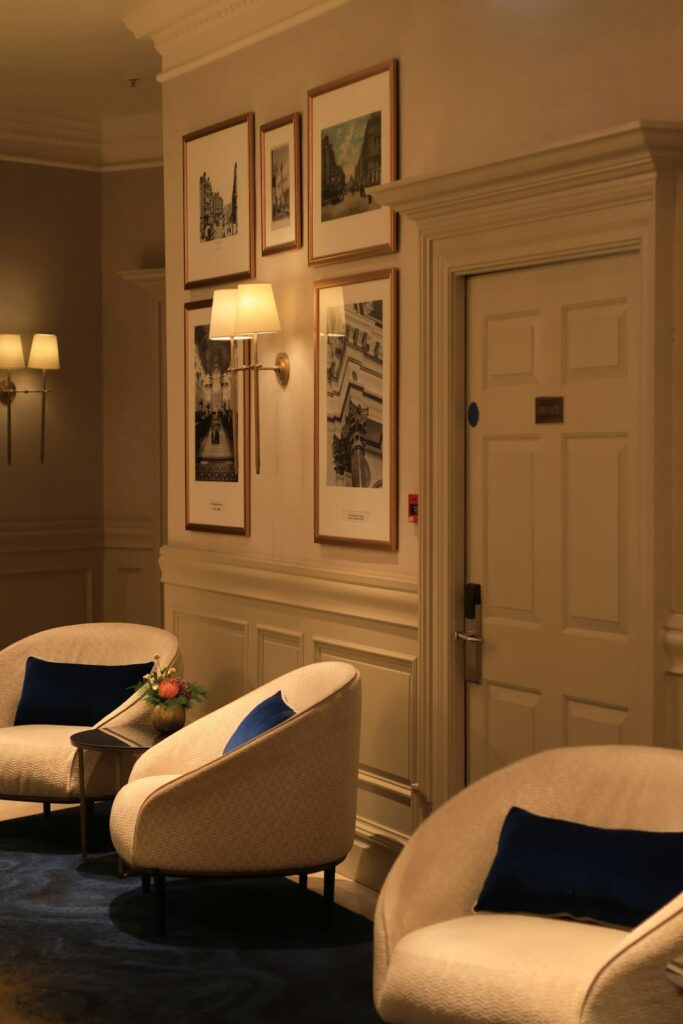
Moving into assisted living can bring relief, uncertainty, or a mixture of both. A familiar routine, personal belongings, and meaningful relationships can help a new residence feel less like a facility and more like home.
For residents and families in West Pittston, creating that feeling often depends on practical details: how the living space is arranged, how daily choices are respected, and whether the resident can continue familiar habits while receiving needed support.
What makes assisted living feel like home?
Assisted living feels more like home when residents have control over ordinary parts of daily life. Personal choice, familiar surroundings, privacy, and connection with others all contribute to comfort.
A move may involve downsizing, sharing common spaces, or adjusting to scheduled meals and activities. Even with those changes, residents can often preserve a sense of identity through:
- Favorite furniture, photographs, books, artwork, and keepsakes
- Familiar wake-up and bedtime routines
- Preferred clothing, meals, music, and television programs
- Regular contact with family, friends, neighbors, and former community groups
- Opportunities to make choices rather than simply follow a schedule
Feeling at home does not require recreating an entire house. It means preserving the parts of everyday life that help a person feel recognized, capable, and secure.
Which personal belongings should come first?
The most useful belongings are usually items connected to daily comfort and personal identity. A smaller number of meaningful objects is often more practical than bringing everything at once.
Before moving, consider selecting items from several categories:
- A comfortable chair, quilt, lamp, or small table
- Family photographs and familiar wall decorations
- A calendar, clock, or bulletin board for orientation
- Favorite books, puzzles, craft supplies, or music
- Religious, cultural, or sentimental objects
- Clothing that is comfortable, easy to identify, and suitable for the seasons
Furniture should fit safely within the available space. Crowded walkways, loose rugs, unstable shelves, and poorly placed cords can increase fall risks. In homes where winter weather brings wet footwear, snow, or heavier coats, entry areas may need extra attention so that items can be stored without blocking movement.
It can help to label clothing and personal items, especially during the first weeks after a move. Families should also create a simple list or photograph of valuable belongings for their own records.
How can a resident keep familiar routines?
A familiar routine can reduce stress and support independence. Residents should be encouraged to share their usual habits before moving, including preferred meal times, rest periods, hobbies, bathing preferences, and ways of spending quiet time.
Some routines may need to fit within the residence’s medication, meal, transportation, or safety requirements. Still, many preferences can remain flexible. For example, a resident may be able to:
- Wake up later when appropriate
- Have coffee or tea in a preferred location
- Attend only selected activities
- Take a rest after lunch
- Choose between available clothing options
- Spend time outdoors when conditions are safe
- Keep a regular evening telephone or video call
A written “getting to know me” profile can be useful. It may include a person’s former occupation, favorite music, food preferences, important relationships, cultural traditions, conversation topics, and signs of discomfort or fatigue.
How can families stay involved without taking over?
Family involvement is most helpful when it supports the resident’s choices. Frequent visits are valuable, but quality matters more than a fixed schedule.
A visit might include folding laundry together, looking through photographs, taking a short walk, sharing a familiar snack, or simply sitting quietly. These ordinary activities may feel more natural than trying to fill every visit with conversation.
Families can also help by:
- Bringing seasonal clothing and removing items that are no longer useful
- Keeping a consistent communication routine
- Sharing updates about family events and household changes
- Noticing changes in mood, appetite, sleep, or mobility
- Asking what the resident wants before rearranging the room
- Supporting friendships and community connections outside the residence

A resident may not want every family member to visit at the same time. Some people prefer short, frequent visits, while others enjoy longer visits less often. The resident’s energy level and preferences should guide the pattern.
What if the resident does not want to participate in activities?
Activities should add meaning, not become another obligation. A person can feel at home without attending group programs every day.
Some residents prefer quiet hobbies, one-to-one conversation, spiritual practices, television, reading, or time outside. Others may enjoy exercise, games, music, gardening, cooking demonstrations, or social gatherings. Interest may also change from day to day.
A useful question is not simply, “Did the resident attend an activity?” A better question is, “What helped the resident feel engaged today?”
Staff and family members can look for activities that match a person’s abilities and history. Someone who no longer enjoys large groups may still appreciate listening to familiar music with one other person. A former gardener may enjoy caring for a small indoor plant. A person who cannot participate in a complicated craft may still enjoy sorting materials, choosing colors, or observing the process.
How can privacy and dignity be protected?
Privacy is a central part of feeling at home. Residents should have clear information about who may enter their room, when care is provided, and how personal information is handled.
Simple habits support dignity:
- Knock before entering whenever possible
- Ask permission before moving personal belongings
- Explain care tasks in plain language
- Offer choices about clothing, meals, bathing, and activities
- Speak directly to the resident rather than only to family members
- Avoid discussing personal care in public areas
- Allow extra time for decisions and responses
A resident may need assistance while still wanting control over how that assistance is provided. Help should be offered in a way that protects privacy and encourages the person to do whatever remains safely possible.
What should families discuss before and after the move?
Families should discuss expectations early, especially if the resident has concerns about losing independence. Conversations can cover what support is needed, what choices remain important, how emergencies will be handled, and which personal habits should be preserved.
After the move, adjustment may take time. Changes in sleep, appetite, mood, or participation can have many causes, including unfamiliar surroundings, illness, medication changes, grief, or loneliness. A sudden or persistent change deserves attention rather than being dismissed as a normal part of moving.
Keep communication specific. Instead of saying that a resident “does not seem like themselves,” describe observable changes such as missed meals, staying in bed longer, refusing familiar activities, or appearing confused at certain times of day. Clear details make it easier to identify patterns and respond appropriately.
Can seasonal changes affect comfort?
Yes. Seasonal conditions can influence clothing, outdoor time, transportation, lighting, and mood. In West Pittston, residents may need practical adjustments during colder months, including warm layers, well-fitting footwear, and safe ways to manage wet or snowy conditions.
Shorter winter days may also make rooms feel darker or reduce opportunities to spend time outdoors. Good lighting, an uncluttered path to the bathroom, and access to indoor activities can support comfort. During warmer weather, hydration, shade, and appropriate clothing become more important.
A home-like environment is created gradually. The resident’s room, schedule, relationships, and choices should be reviewed over time rather than treated as a one-time setup project. The goal is not to make assisted living look exactly like a previous home. The goal is to create a familiar, respectful place where the resident can continue to live with comfort, identity, and as much independence as safely possible.
